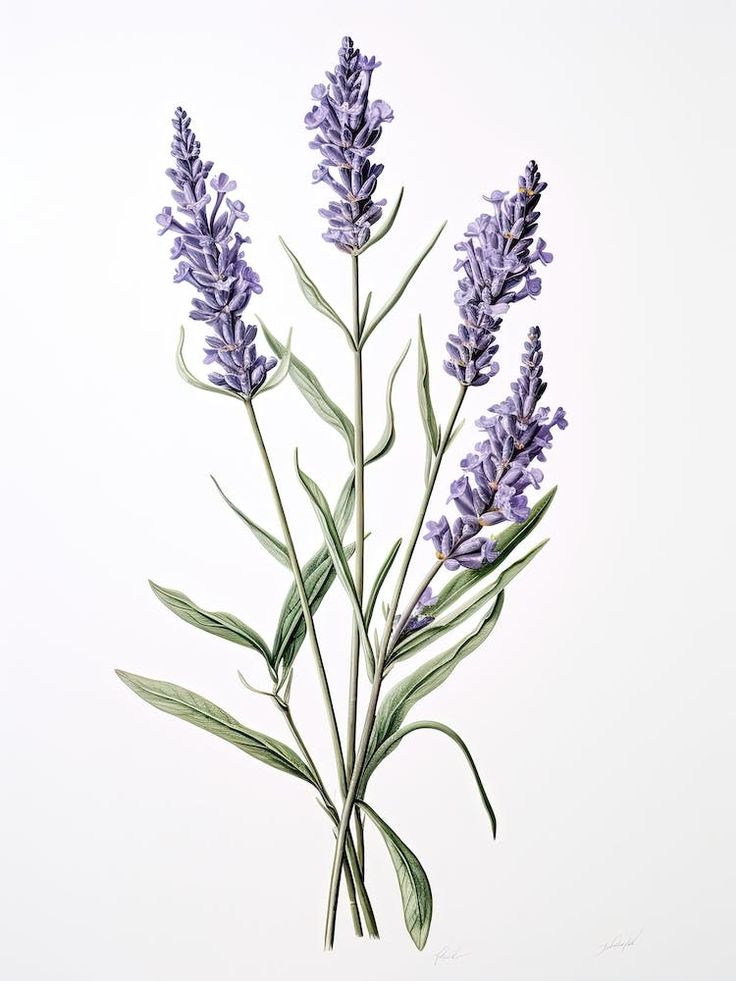
Lavender Herb Profile
Botanical name: Lavandula Angustifolia
AKA: True lavender
Part used: Flowers and essential oil
Personal note
Lavender is the first herb I experimented with when starting my herbal healing journal.
Eight years later, lavender remains my most frequently used, must-have herb and essential oil.
(Lavandula angustifolia) Lavender is known for its calming and soothing properties. It is a versatile herb with a soft, pleasant floral scent that promotes relaxation, relieves stress, and supports restful sleep. Lavender is gentle on the skin and is commonly used in skincare and family remedies. It brings comfort to both the body and the mind.
Lavender essential oil has been especially valuable for my family. During a more than 24-hour bus trip to Zambia, it helped keep my twin toddlers calm and rested throughout the journey.
What it does
Calms the nervous system
Promotes relaxation and sleep
Relieves stress, anxiety, and irritability
Reduces headaches and body tension
Eases nervous digestion, gas, and colic
Antispasmodic (relieves cramps and spasms)
Soothes muscle pain and painful joints
Supports respiratory health
Helps with fever, influenza, tonsils, and throat infections
Antibacterial, antiseptic, and natural disinfectant
Heals minor burns, cuts, stings, and insect bites
Supports skin health (acne, irritation, rashes)
Helps with hair loss
Gently soothing, sedating, and calming
When to use
Feeling nervous, anxious, or restless
Trouble sleeping due to stress or overthinking
Tension headaches
Stomach pain, gas, or colic caused by stress
Muscle pain, cramps, or joint discomfort
Mild depression or emotional irritability
Nervous digestion
Respiratory discomfort
Traditional and practical uses
Natural insect repellent (moths, flies, mosquitoes)
Used historically in embalming practices
Soap making
Herb pillows and linen sachets
Herbal oils and soothing balms
Bath salts, body powder, and bath water
Lavender vinegar
Natural perfume
Household cleaning
Compresses, lotions, and spritzes
Used in baking
The word lavender comes from the Latin lavare, meaning “to wash.”
Mind symptoms
Overthinking
Mental restlessness
Easily irritated
Feels better after relaxation and calm
How to use
Tea: Drink 1–2 cups daily
Oil (inhalation): Smell directly or diffuse to calm the mind
Oil (topical): Use diluted oil on burns, bites, muscle tension, or skin irritation
Other forms:
Compress
Lotion
Spritz
Vinegar
Cleaning applications
Safety
Very safe herb
Do not take essential oil internally
Use small amounts, especially with children
Key point
Lavender calms the mind and body naturally.
Shalom,
Following God’s Ways,
Natasha Chetty.